

Free creativity from marketing
It's a strategic advantage if you can take it seriously.

In 2014, I was a Copywriter at an Ad Agency, selling ideas and channeling a Peggy Olson who watched GIRLS. A year in, I felt restless inside the Creative Department where strategy was someone else’s job and the business lived in another building.
It was frustrating to be that close to the problems but too far to do anything about it. Creativity was being treated as the garnish when it should’ve been the main ingredient. Marketing could help a brand, but the insights that built the campaign could transform a business. I’ll never forget a tissue session where it was painfully clear the insights would’ve mattered far more before the product was built.
I believed then what I know now: creativity is a company’s most underused competitive advantage because we trap it in marketing instead of letting it shape the business.
When I jumped from agency to tech in 2015 and became a Creative Strategist at Facebook/Instagram, Brand Social was so new (and most agencies ignored it) that none of the old processes applied. I joined a team where everyone shared the same title — former CDs, CCOs, ECDs, strategists, art directors, producers — and we were able to explore in new ways.
With the hierarchy flattened and the process unknown, creative and strategy started to merge. We were inventing a new way for a new medium, working directly with in-house brand and social teams who were left on their own and execs who used our work to connect the dots everywhere.
Strategy didn’t hand off to creative. It was creative. We experimented with how we briefed, created, tested, learned, launched — and I saw how vital internal fluidity and clarity were for in-house teams who didn’t have the luxury of one-off campaigns. They had to create nonstop, all year long.
Social became a window into a brand — a diagnostic tool for understanding how the company sees itself internally and how it expresses that to the world. In practice, it exposed things that decks and positioning documents never could:
whether a company actually understood itself
whether a company actually understood its customers
whether strategy traveled or died in a slide
whether a brand had confidence or not
What you see as a post is really a brand’s abstract strategy turned into something you can feel, see, and act on. The act of creating produces clarity the entire business could use. Could you distill who you are in a post? Could you do it again and again?
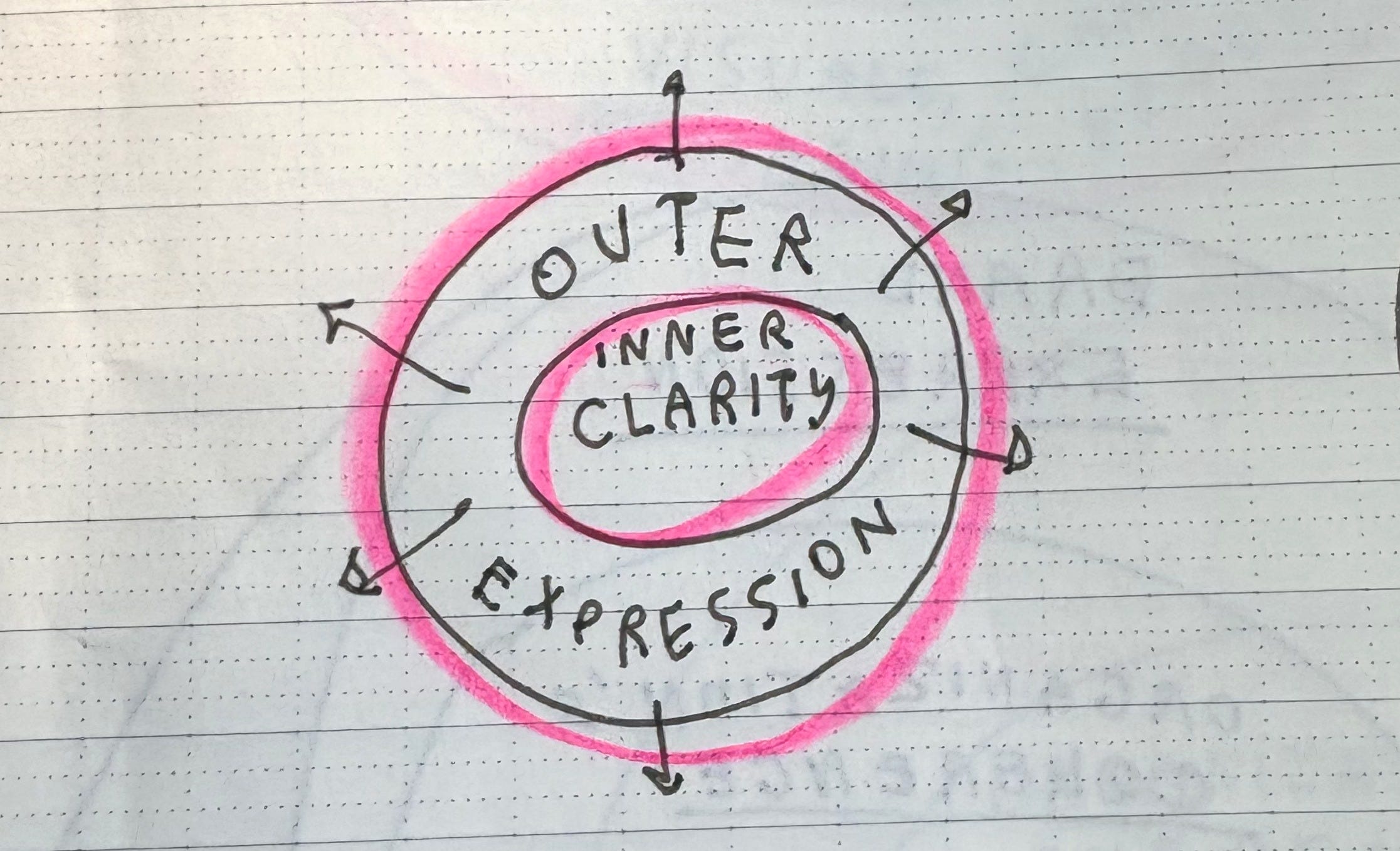
The rare teams who could all shared the same thing: their creative process was an extension of their internal clarity. Strategy and creativity lived together and informed each other.
Creativity gave shape to brand and business strategy — but so often, social teams weren’t given the clarity, vision, or power leadership owed them. Everyone was working in vacuums and uncertainty, solving problems and developing ideas that were useful to the entire company.
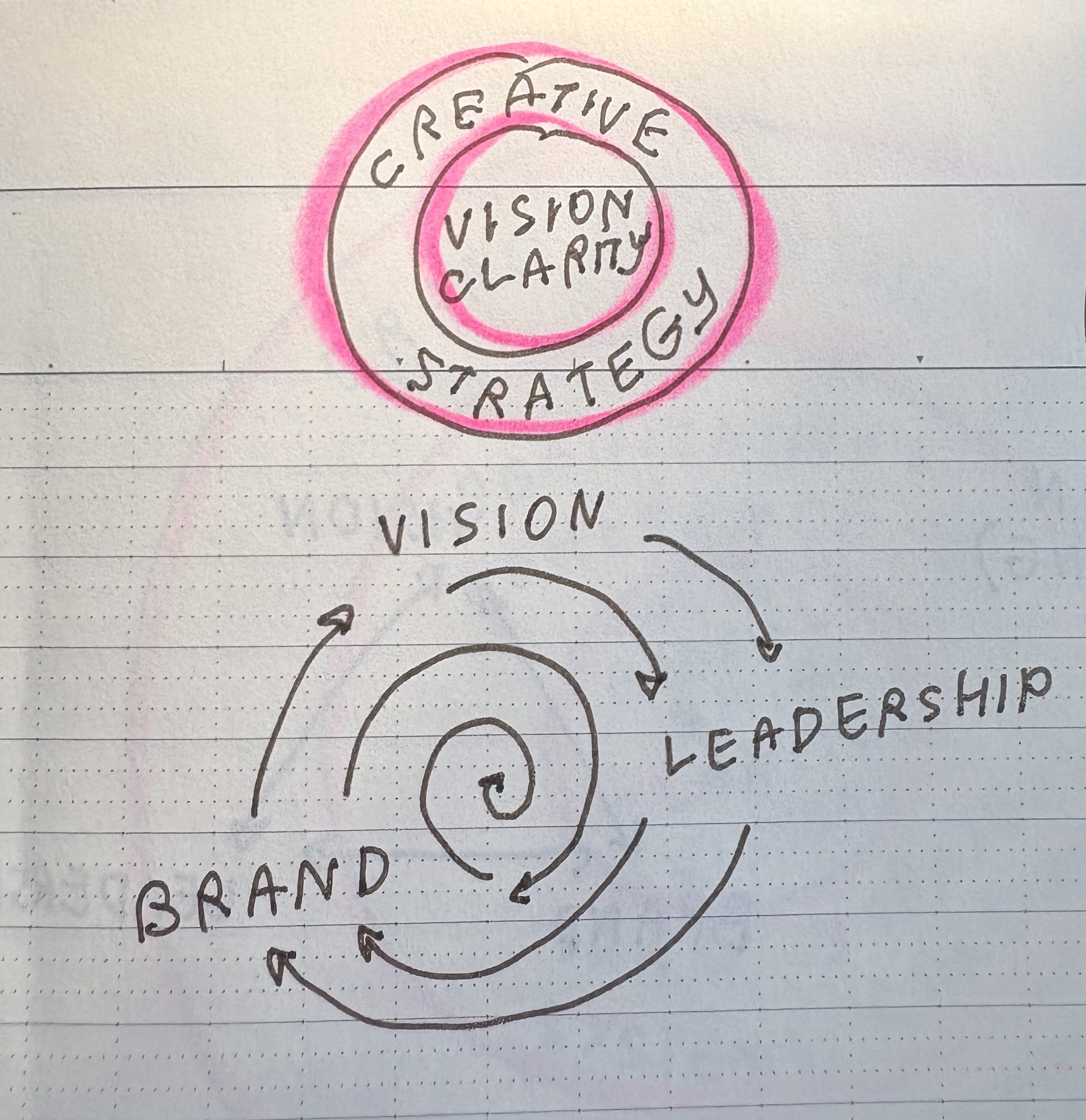
When I started my own practice a few years ago, it became even more obvious that strategic and creative work needed to be done outside of the marketing department. A brand is more than just marketing. A brand is a living system of clarity, creativity, and leadership that shapes how a company expresses itself.
It’s just not one-off work.
how can we get everyone in the world to read this?
if every brand and exec had this level of understanding on this topic, i honestly think the world would be better